MovieRulz
151 Telugu films from 1951 to 2009: golden-age classics, music and dance, star hits and the romances of the 2000s.
Featured Movies
Latest Movies
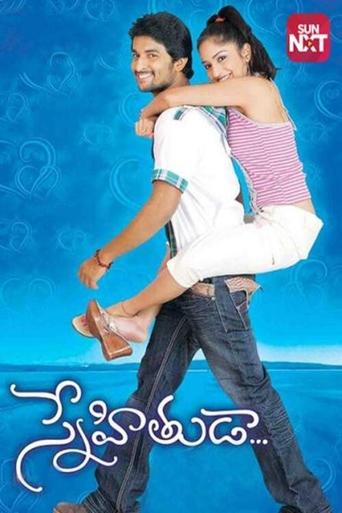
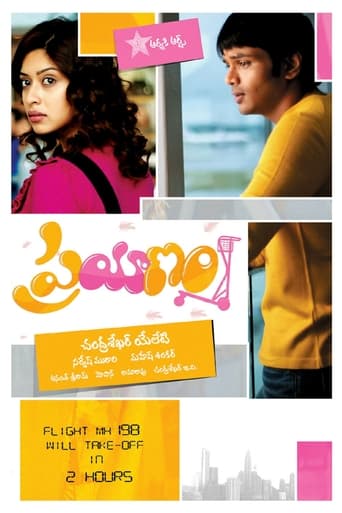

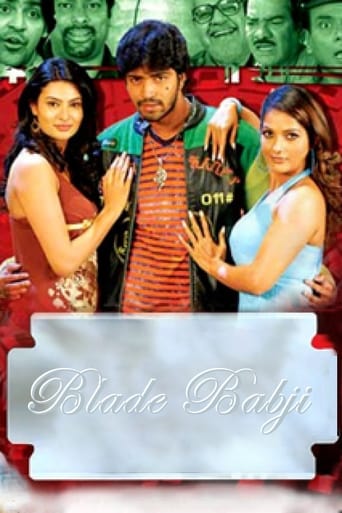
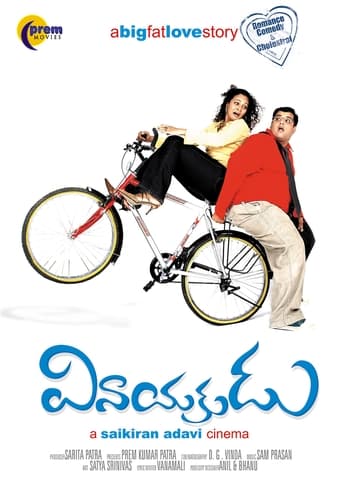
Golden Age

Music and dance
Genres
- Golden age (27)
- Music and dance (41)
- The big stars (42)
- The new generation (54)
- Love stories (96)
- Family (96)
- Comedy (68)
- The comedians (80)
- Featured (33)
Telugu Movies by Year
- 2005 to 2009 (26)
- 2000 to 2004 (45)
- The 1990s (31)
- The 1980s (25)
- Before 1980 (24)
- All Telugu Movies (151)
Help
Classic Telugu cinema in English: the MovieRulz guide
MovieRulz: classic Telugu films in English, from Sagara Sangamam, Sankarabharanam, Geethanjali and Aditya 369 to Missamma, Bommarillu, Khushi and Anand
Telugu cinema began to talk in 1931, and in the ninety-odd years since it has built one of the great popular film traditions of the world. Long before its adventures filled cinemas across India, it was making comedies that grandparents can still recite line by line, musicals about classical singers and dancers that played for a year at a time, and love stories whose songs are part of the furniture of every Telugu home. MovieRulz is a guide to that inheritance. It gathers 151 Telugu films made between 1951 and 2009, each with its own page, its story in English, its year, its running time and a Watch now button that leads to the official services carrying it in your country.
The catalogue has been chosen by hand for family viewing. It holds the comedies and dramas of the golden age, the music and dance films of the 1970s and 1980s, a selection of the gentler hits of the big stars, and the fresh romances with which a new generation arrived after 2000. Action films, crime stories, horror and mythological films are covered by other guides.
The sections below follow the decades in order: how the site is laid out, the golden age, the directors who made music and dance their subject, the stars, the romances of the 2000s, the comedies, and a few plans for a first week. Each section links to a short help page, and the How to watch page sums up the simple steps from a poster to the official service.
How MovieRulz looks
MovieRulz keeps the look of the site it is named after as it stood in 2016. The page is a dark slate colour with a fine pattern of diagonal stripes. At the top left is the MovieRulz name in large light letters with a soft shadow, and a line of description beneath it; at the top right is a search box with an orange button. Below them runs a black menu bar with rounded corners and links in capital letters: Home, Featured, Telugu, Love Stories, Comedy, A-Z, Genres and My List. The page you are on is shown in white on a grey tab.
The rest of the page is a column of black boxes with rounded corners and thin grey borders. Each box begins with a title strip, separated from its contents by a dotted line. The first carries the title of the site. Featured Movies and Latest Movies follow, each a grid of posters four to a row; every poster sits in its own small bordered box with the name and year of the film in orange beneath it. Two shorter boxes show the golden age and the music and dance films, and a row of three boxes lists the genres with their counts, the decades and the help pages.
The colours are those of the original: slate, black, grey-blue text and a warm orange for links and buttons. On a telephone the menu folds behind a button with three lines, the search box moves under the name, and the posters stand two to a row.
The golden age
The 1950s and 1960s are remembered as the golden age of Telugu cinema. The studios of Madras, where the industry was then based, employed fine writers, lyricists and composers, and two actors of very different gifts, N. T. Rama Rao and Akkineni Nageswara Rao, shared the leading parts for thirty years. The Golden age category holds 27 films, and the Golden age help page suggests where to begin.
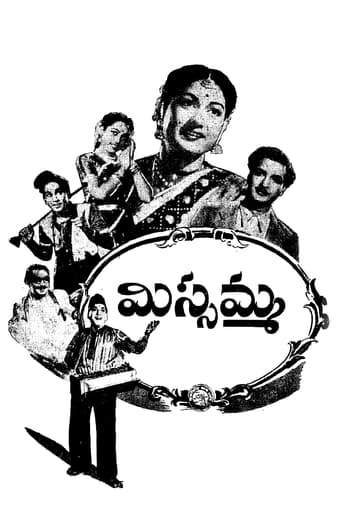
Missamma, from 1955, is the best place. Produced by the Vijaya studio and directed by L. V. Prasad, it is a comedy about two unemployed graduates, a Hindu man and a Christian woman, who answer an advertisement for a married couple to run a village school, and pretend to be husband and wife to get the posts. N. T. Rama Rao plays Rao with easy charm, Savitri, in the part that made her a star, plays the quick-tempered Mary, and Akkineni Nageswara Rao, against his usual type, plays a comic detective. The kindly couple who own the school are looking for a daughter lost many years before, and the audience guesses the rest long before the characters do. The songs are still sung, and the film has been remade in several languages.
Appu Chesi Pappu Koodu, from 1959, by the same studio and director, is a comedy about a man who lives grandly on borrowed money; its title is a proverb about feasting on credit. Kanyasulkam, from 1955, is taken from the most famous play in the language, written in 1892 by Gurajada Apparao as an attack on the custom of selling young girls in marriage to old men. N. T. Rama Rao plays Girisam, a smooth talker with a few phrases of English, one of the great comic rogues of Indian literature, and Savitri plays the clever Madhuravani.
Malliswari, from 1951, directed by B. N. Reddy, is regarded by many critics as the most beautiful Telugu film ever made. It is set in the sixteenth century, in the reign of the emperor Krishnadevaraya of Vijayanagara. Malli and Nagaraju, cousins who have loved each other since childhood, shelter from the rain one evening and sing for two strangers, who are the emperor and his court poet in disguise. A careless wish spoken that evening brings a palanquin to Malli's door and carries her away to the palace as a court companion, a position of honour that is held for life. Bhanumathi, who sang her own songs, plays Malli, and N. T. Rama Rao plays the sculptor Nagaraju.
Akkineni Nageswara Rao excelled in romance and tragedy. In Mooga Manasulu, from 1964, directed by Adurthi Subba Rao, he plays a boatman devoted to the landlord's daughter, in a story of two souls who meet again in a later life; Savitri and Jamuna share the female leads, and the film was shot on the Godavari river. Doctor Chakravarthy, from the same year and the same director, is a drama about a doctor whose affection for a married woman who resembles his late sister is misunderstood, and it won the first state award for the best Telugu film. Batasari, from 1961, with Bhanumathi, comes from a Bengali novel by Sarat Chandra Chatterjee, and Aradhana, from 1962, with Savitri, is a hospital romance. In Aatma Gowravam, from 1965, he worked with a young director making his first film, K. Viswanath, whose name returns below.
N. T. Rama Rao, for his part, could play two men at once. In Ramudu Bheemudu, from 1964, he is both a timid heir who is bullied by his brother-in-law and a bold villager who looks exactly like him; the two change places, and the bully has a surprise. It was the first production of D. Ramanaidu, who went on to produce more films than anyone in the world, and it was remade across India. Banda Ramudu, from 1959, is a fairy tale about a thief and a princess, Charana Daasi, from 1956, taken from a novel by Tagore about two couples mixed up after a railway accident, brings both stars and Savitri together, and Vivaha Bandham, from 1964, pairs him with Bhanumathi. In his later years he played an elderly schoolmaster in Badi Panthulu, from 1972, and directed himself as the emperor in Akbar Saleem Anarkali, from 1978.
Savitri, who appears in eight films here, is still spoken of as the greatest actress of the south, able to turn from comedy to grief within a single shot. Bhanumathi, with five, was a singer, writer, director and studio owner as well as a star, and she returned in the 1980s as a formidable grandmother in Mangamma Gari Manavadu and Bamma Maata Bangaru Baata. The character actors Gummadi, S. V. Ranga Rao and Relangi complete almost every cast of the period. Alladin and the Wonderful Lamp, from 1957, shows the taste of the time for costume fantasy.
Music and dance
From the middle of the 1970s a group of directors made films in which music, dance and literature were the subject and far more than decoration. They found a large public, and they won more national awards than any Telugu films before or since. The Music and dance category holds 41 films, and the Music and dance help page arranges them.
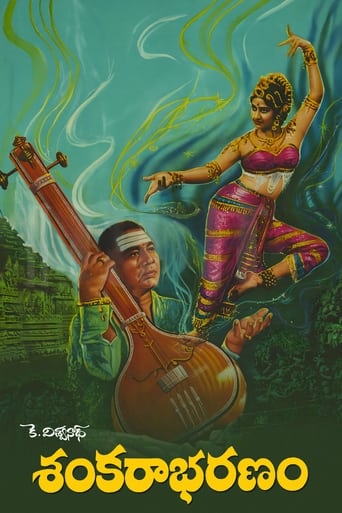
K. Viswanath is the central figure, and seven of his films are here. Sankarabharanam, from 1980, had an unknown stage actor of fifty-two, J. V. Somayajulu, in the lead, and its distributors expected little. It tells of Sankara Sastry, a great classical singer whose art is going out of fashion, and Tulasi, a young woman of humble birth who reveres him and whom the orthodox society around him refuses to accept. It opened quietly, filled its cinemas within a week, ran for more than a year and sent a generation of children to music lessons. The songs, composed by K. V. Mahadevan and sung by S. P. Balasubrahmanyam, won national awards, and the film won the award for the best popular film in India.
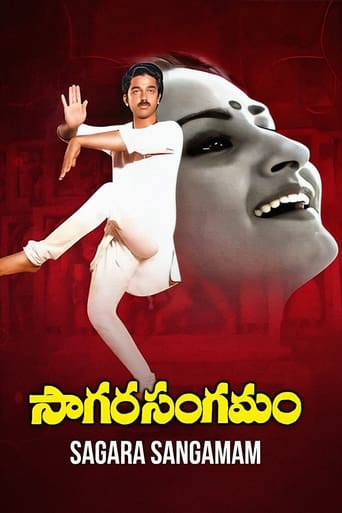
Sagara Sangamam, from 1983, is his masterpiece about dance. Kamal Haasan plays Balakrishna, known as Balu, a poor young man who has mastered several classical styles and dreams of combining them, and Jaya Prada plays Madhavi, the wealthy woman who recognises his gift. The film begins years later, when Balu is an obscure, hard-drinking critic who writes a harsh review of a young dancer, and returns to the past to explain how he came to this. The dances, among them one performed on the rim of a well, are famous, and the music by Ilaiyaraaja won a national award.
Saptapadi, from 1981, is about the granddaughter of a temple priest, a dancer, who loves a flute player from a community the priest considers beneath his own, and about the old man's change of heart; it won the national award for national integration. Swarnakamalam, from 1988, is lighter: Meenakshi, played by Bhanupriya, is the daughter of a master of classical dance and regards the art as a burden, until a painter who lives next door, played by Venkatesh, makes her see what she possesses. Sutradhaarulu, from 1989, with Akkineni Nageswara Rao, is set among the wandering performers who bless houses with a decorated bull, and it won the national award for the best Telugu film, as did Swarabhishekam, from 2004, in which Viswanath himself plays one of two brothers who are classical musicians.
Bapu was a painter and cartoonist before he was a director, and every frame of his films is composed like a picture. With his lifelong friend, the writer Mullapudi Venkata Ramana, he made Sakshi, from 1967, his first film, shot entirely in a village on the Godavari, about a timid boatman who is the only witness to a wrong; Mutyala Muggu, from 1975, a domestic story that follows the outline of the last book of the Ramayana, celebrated for its photography and for Rao Gopal Rao's silky villain; Sri Rajeshwari Vilas Coffee Club, from 1976, a comedy about a young man who takes a job in a vegetarian eating house under a false name; Thyagayya, from 1981, a life of the composer Tyagaraja; and Pelli Pustakam, from 1991, in which a newly married couple, played by Rajendra Prasad and Divyavani, pretend to be single in order to keep jobs in the same office.
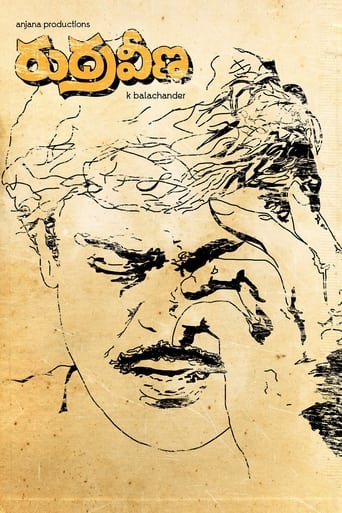
K. Balachander, a Tamil director, made four Telugu films of great force. Anthuleni Katha, from 1976, whose title means the endless story, gave Jaya Prada her first great part as a young woman who supports her whole family and has given up hope of a life of her own. Maro Charitra, from 1978, set in Visakhapatnam, is about a Tamil boy, played by Kamal Haasan, and a Telugu girl, played by Saritha, whose families speak different languages and agree only in opposing the match; the parents demand that the pair stay apart for a year. It ran for two years in some cities. Idi Katha Kaadu, from 1979, is about a divorced woman raising a child alone, and Rudraveena, from 1988, stars Chiranjeevi as the son of a great classical musician who believes that music should serve the poor, against the wishes of his father; it won three national awards.
Vamsy, a novelist turned director, has three films here, all scored by Ilaiyaraaja or in his manner. Sitara, from 1984, the first film of Bhanupriya, is about a village girl of a decayed noble family who becomes a film star, and it won the national award for the best Telugu film. Aalapana, from 1985, is about a dancer and a musician. Avunu Valliddaru Ishtapaddaru!, from 2002, has one of the neatest ideas in Telugu comedy: a young man who works at night and a young woman who works by day rent the same room, each unaware of the other, and come to like each other through the notes they leave.
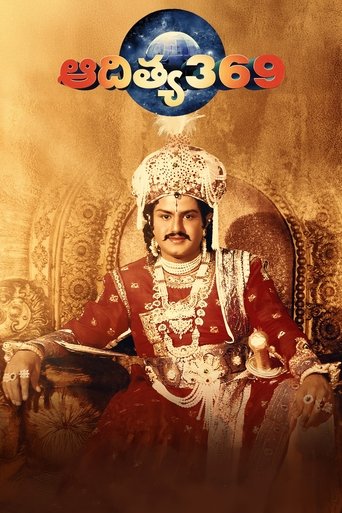
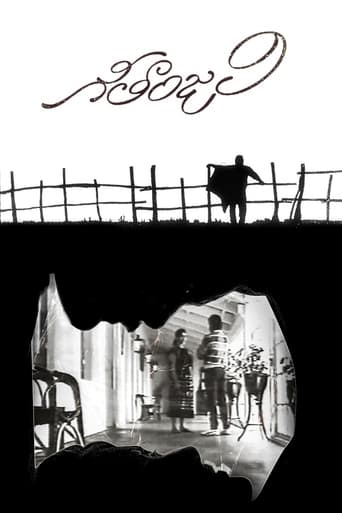
Singeetam Srinivasa Rao, the great experimenter, made Mayuri, from 1985, in which the dancer Sudha Chandran plays herself: a young woman who loses a leg after a road accident, learns to dance again with an artificial limb and returns to the stage. He also made Aditya 369, which is described below. Jandhyala, the best-loved writer of comedy in the language, directed Srivariki Premalekha, from 1984, about an anonymous love letter that reaches a young man who then sets out to find its author, and Padamati Sandhya Ragam, from 1987, filmed in the United States, about a Telugu girl whose traditional family has moved to America and the American neighbour who wishes to marry her. Geethanjali, from 1989, the only Telugu film directed by Mani Ratnam, belongs with these: Prakash, played by Nagarjuna, learns that he is seriously ill and goes to the hills to be alone, and there he meets Geethanjali, a mischievous girl who is, he discovers, in the same position and has decided to enjoy every day. It won the national award for the best popular film.
The big stars
Four actors dominated Telugu cinema from the middle of the 1980s: Chiranjeevi, Balakrishna, Nagarjuna and Venkatesh, joined in the late 1990s by Pawan Kalyan. Their action films belong to other guides; the The big stars category holds 42 of their comedies, romances and family films, and the The big stars help page introduces them.
Chiranjeevi, the most popular of them, is here in his less familiar colours. Challenge, from 1984, taken from a best-selling novel, is about a penniless young man who wagers a tycoon that he will earn a fortune honestly within five years. Aradhana, from 1987, directed by the Tamil master Bharathiraja, is about a village tough reformed by a schoolteacher. Hitler, from 1997, has him as a brother so strict with his five sisters that they have given him the nickname. Bavagaru Bagunnara, from 1998, begins in New Zealand, and Shankar Dada M.B.B.S., from 2004, is the Telugu version of a famous Hindi comedy about a kind-hearted local strongman who enrols in a medical college to please his parents and cures the patients with good cheer. Shankar Dada Zindabad, from 2007, in which the same man begins to see Mahatma Gandhi, is its sequel.
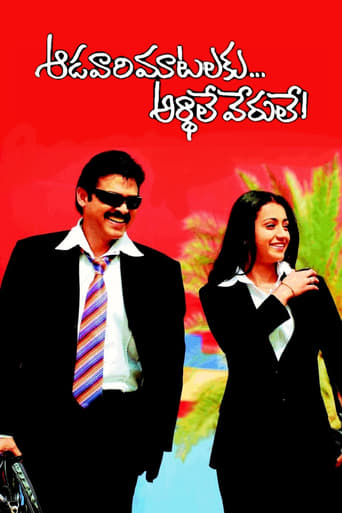
Venkatesh, with 14 films, is the family audience's favourite, and his choice of gentle parts earned him the name Victory Venkatesh. Chanti, from 1992, is about an innocent young man with a wonderful singing voice who is hired to guard the sheltered sister of three fierce brothers. In Sundara Kanda, from the same year, he is a college lecturer embarrassed by an admiring pupil. Pavithra Bandham, from 1996, with Soundarya, is about a rich young man who agrees to marry on a one-year contract and a wife who earns his respect. Raja, Seenu, Premante Ideraa, Vasu, in which he runs a music school, Vasantham and Aadavari Matalaku Ardhalu Verule, from 2007, with Trisha, about an unemployed man who joins the firm where the woman he admires works and learns that she is engaged, continue the line.
Nagarjuna, the son of Akkineni Nageswara Rao, followed Geethanjali with a long series of romances. Ninne Pelladatha, from 1996, directed by Krishna Vamsi, with Tabu, is the model Telugu family film: a girl from a small town comes to the city to learn to fly and lodges beside a large, noisy, affectionate household, whose younger son falls in love with her. It won the national award for the best Telugu film. Santosham, from 2002, Nenunnanu, from 2004, Ravoyi Chandamama, which takes place on a cruise ship, and Ninne Premistha are others, and in Aavida Maa Aavide, a comedy by E. V. V. Satyanarayana, he plays a policeman with a complicated home life.
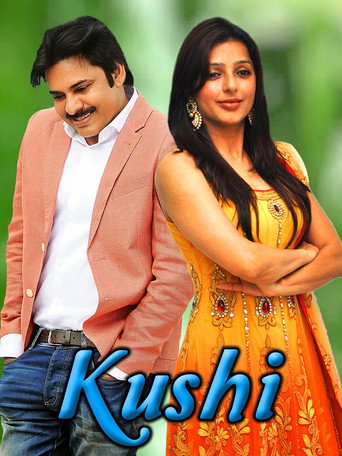
Balakrishna, the son of N. T. Rama Rao, stars in Aditya 369, from 1991, directed by Singeetam Srinivasa Rao, the first Indian film about a time machine. A young man and his fiancee, with a policeman who happens to be standing nearby, are carried by an inventor's machine to the court of Krishnadevaraya in 1526, where Balakrishna, like his father before him, also plays the emperor, and then forward to a future of underground cities. It is witty, inventive and suitable for all ages. Mangamma Gari Manavadu, Nari Nari Naduma Murari, from 1990, in which he is courted by two cousins, and Pattabhishekham are family films from his early years. Pawan Kalyan, the younger brother of Chiranjeevi, is here in Gokulamlo Seetha, Badri, from 2000, the first film of the director Puri Jagannadh, and Khushi, from 2001, a college romance about two people too proud to admit what everyone else can see, whose songs by Mani Sharma were played for years.
The new generation
Around the year 2000 Telugu cinema changed its face. A wave of low-budget love stories with very young, unknown actors and fresh music drew students to the cinemas in crowds. The The new generation category holds 54 films, and the The new generation help page follows the names.
Nuvve Kavali, from 2000, was the beginning. Directed by K. Vijaya Bhaskar and written by Trivikram Srinivas, it is about Tarun and Madhu, neighbours and best friends since the day they were born, who understand that they love each other only when one of them is about to marry someone else. It cost very little, ran for a year and won the national award for the best Telugu film. Its star, Tarun, a child actor grown up, became the romantic hero of the moment, in Priyamaina Neeku, Nuvvu Leka Nenu Lenu, Ela Cheppanu, Ninne Ishtapaddanu, Soggadu and Nuvve... Nuvve..., from 2002, the first film directed by Trivikram, in which Prakash Raj plays a millionaire so devoted to his daughter that he is unable to give her up to anyone.
The director Teja found Uday Kiran, a slight, earnest young man, and made Nuvvu Nenu, from 2001, about a rich boy and the daughter of a milk seller, and Manasantha Nuvve, from the same year, directed by V. N. Aditya, about two children parted at a hill station who search for each other as adults, made him the most popular young actor in the state. Teja's Jayam, from 2002, a village love story, introduced Nithiin and Sadha. Anandam, from 2001, by Srinu Vaitla, about two college neighbours who quarrel constantly, was carried by the songs of Devi Sri Prasad, then barely twenty.
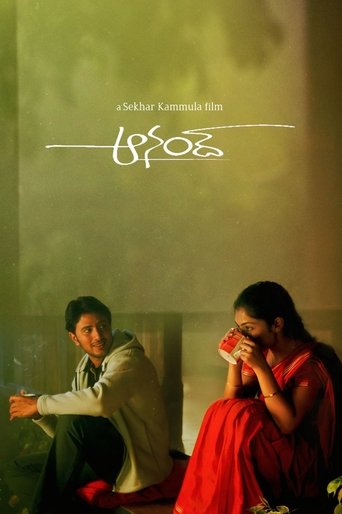
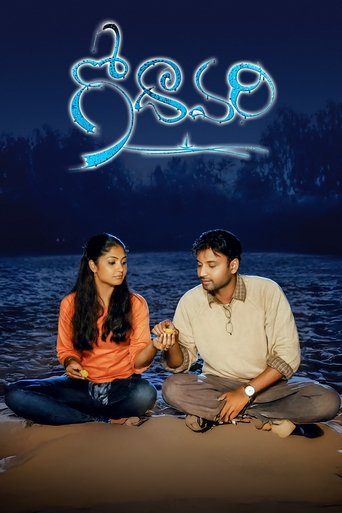
The second half of the decade brought new directors with distinct voices. Sekhar Kammula, an engineer who had studied film in America, made Anand, in 2004, on a tiny budget and advertised it as a film like a good cup of coffee. Roopa, an orphan with a mind of her own, calls off her wedding at the last moment, and Anand, a wealthy young man who admired her from the back of the hall, rents the room next to hers. Little more dramatic than that happens, and audiences loved it. His Godavari, from 2006, with Sumanth and Kamalinee Mukherjee, takes place on a pilgrim boat travelling up the river from Rajahmundry to the temple town of Bhadrachalam.
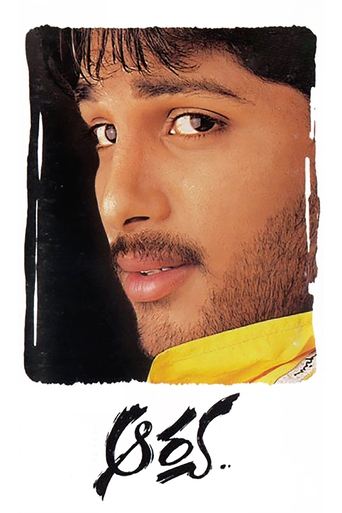
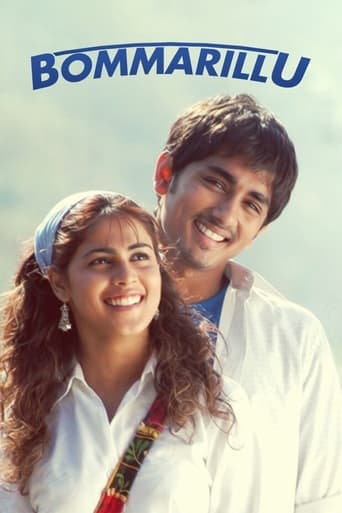
Aarya, from 2004, the first film of Sukumar, gave Allu Arjun his defining part: a cheerful student who loves a girl already promised to another and asks only that she accept his affection. Gangotri, from 2003, had been the actor's first film and the hundredth of the director K. Raghavendra Rao. Bommarillu, from 2006, directed by Bhaskar, is the best-loved family film of the decade. Siddhu, played by Siddharth, is the son of a devoted father, played by Prakash Raj, who has chosen his clothes, his career and his bride; then Siddhu meets Hasini, a girl of unstoppable good humour, played by Genelia, and has one week to make his family like her. The title means the doll's house.
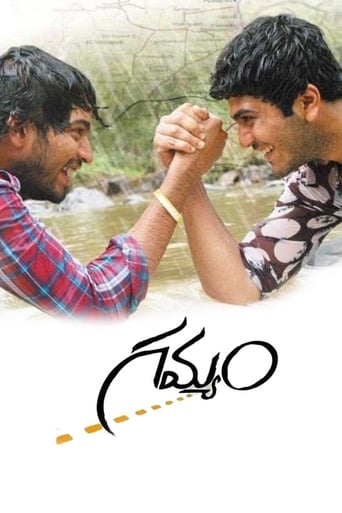
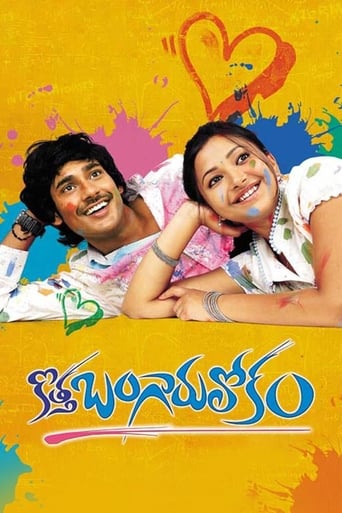
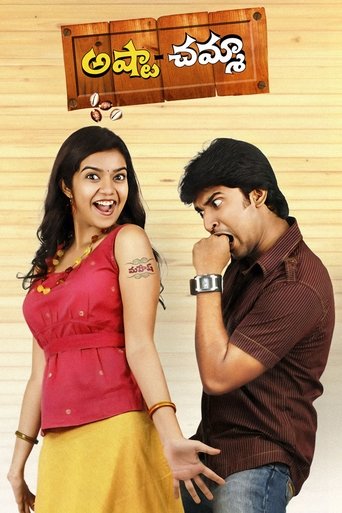
Kotha Bangaru Lokam, from 2008, by Srikanth Addala, is a tender story of first love at a residential college. Gamyam, from the same year, the first film of Krish, sends a rich young man across the countryside by motorcycle in search of the woman he has lost, in the company of a talkative small-time thief called Gaali Seenu, played by Allari Naresh; its title means the destination, and the journey teaches the hero how most of his countrymen live. Ashta Chamma, also from 2008, by Mohana Krishna Indraganti, resets a famous English comedy of 1895 in Hyderabad, where a young woman is determined to marry a man with the same name as her favourite film star. It introduced Nani and Srinivas Avasarala.
Others of the period include Amma Nanna O Tamila Ammayi, from 2003, with Ravi Teja as a kickboxer raised by his mother; Chakram, from 2005, an early film of Prabhas, about a young man who spreads happiness wherever he goes; Chandamama, from 2007, by Krishna Vamsi, about two sisters and two bridegrooms; Vinayakudu, a romance with a plump, good-natured hero; Prayanam, from 2009, which takes place in an airport in a single afternoon; Sasirekha Parinayam; Ullasanga Utsahanga; Aata; and Satyam, with Sumanth as a writer of film songs. Rajakumarudu, from 1999, and Yuvaraju, from 2000, are early films of Mahesh Babu, and Naani, from 2004, has him as an eight-year-old boy who is given a grown-up body by a scientist.
Love stories
The Love stories category holds 96 films from all six decades, and the Love stories help page suggests where to start. Most have been described already; a few more deserve a line.
Prema, from 1989, with Venkatesh and Revathi and music by Ilaiyaraaja, is about a young singer and a girl from a strict Christian family. Majnu, from 1987, directed by Dasari Narayana Rao, gives Nagarjuna a tragic part in the tradition of his father. Pelli Sandadi, from 1996, directed by K. Raghavendra Rao, with songs by M. M. Keeravani that played at every wedding of the decade, is about a musician who has seen his bride in a dream. Swayamvaram, from 1999, the first film written by Trivikram, Premante Ideraa, Seenu, Cheppave Chirugali, Janaki Weds Sriram, Sambaram, Oka Raju Oka Rani and Naa Autograph Sweet Memories, in which Ravi Teja travels to invite the women he once admired to his wedding, are romances of the turn of the century.
Family films
The Family category holds 96 films, and the Family films help page picks a few to begin with.
Marriage is examined from every side. Subhalagnam, from 1994, directed by S. V. Krishna Reddy, is a comedy with a sting: a wife who longs for wealth agrees, for a very large sum, to let a rich young woman marry her husband, and discovers what she has sold. Pelli Pustakam, whose title means the book of marriage, is a gentler lesson in trust. Koduku Diddina Kapuram, from 1989, has a small boy, played by the child actor Mahesh Babu, bring his separated parents back together. Aalaya Sikharam, from 1983, is about a younger brother who works to pay for his elder brother's education, and Abbaigaru, from 1993, about an innocent stepson and a scheming stepmother.
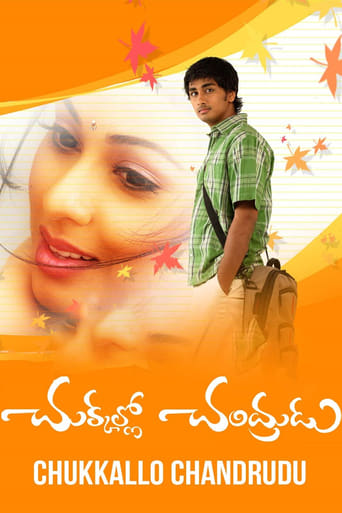
The films of Krishna Vamsi, Ninne Pelladatha, Chandamama, Chakram and Sasirekha Parinayam, are known for crowded houses, festivals and wedding preparations filmed with great energy. Kalyana Ramudu, Family Circus, Neeku Nenu Naaku Nuvvu, Chukkallo Chandrudu, in which Siddharth plays a young man who decides to choose his own bride from among three childhood friends, with Akkineni Nageswara Rao as his grandfather, and Swagatam are family films of the 2000s. For grandparents, Badi Panthulu, Yedanthasthula Meda and Bamma Maata Bangaru Baata speak directly about old age and the duty of children.
Comedy
The Comedy category holds 68 films, and the Comedy help page divides them into classic and modern. The The comedians category gathers 80 films with the best-known comic actors, and the The comedians help page introduces them.
Rajendra Prasad, who appears in 12 films, was the comedy hero of the 1980s and 1990s, a slight, anxious everyman forever caught between his wife, his employer and his own bright ideas. Bandhuvulostunnaru Jagratha, from 1989, whose title means beware, the relatives are coming, is about an orphan who longs for a family and gets more of one than he wanted. In Madam, from 1994, by Singeetam Srinivasa Rao, he spends most of the film dressed as a woman; in Brahmachari Mogudu he invents a wife to please an employer who distrusts bachelors; and Pekata Paparao and Bhagyalakshmi Bumper Draw, about a winning lottery ticket and a whole village that wants a share, are in the same vein.
Brahmanandam, with 20 films, more than any other actor in the catalogue, is everywhere from the late 1980s onward, usually in a self-contained comic thread that runs alongside the main story. Ali, Sunil, who plays the lead in Andala Ramudu, Kota Srinivasa Rao, the great comic villain, and M. S. Narayana are his regular partners. Allari Naresh, the son of the comedy director E. V. V. Satyanarayana, has six films, among them Thotti Gang, Dhanalakshmi I Love You, Blade Babji, Bommana Brothers Chandana Sisters and Gopi – Goda Meeda Pilli.
Jagapati Babu and Srikanth, the gentle heroes of the 1990s, lead many of the domestic comedies. Budget Padmanabham, from 2001, is about a man who counts every coin for a reason revealed late in the film. Vinodham, from 1996, follows four cheerful orphans who share one room. Dongaata, from 1997, with Soundarya, begins when a thief on a train tries to steal a necklace and ends by protecting its owner, and Kabaddi Kabaddi, Golmaal, Lucky Chance, Chala Bagundi, Bhale Dongalu, Takkari and Postman, with Mohan Babu as a letter carrier loved by his whole neighbourhood, round off the shelf.
Fantasy and adventure
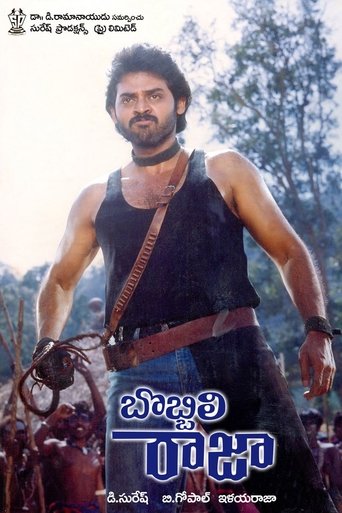
A small group of films offers pure make-believe, and the Fantasy and adventure help page lists them. Aditya 369 is the outstanding one. Saahasa Veerudu Saagara Kanya, from 1996, by K. Raghavendra Rao, sends Venkatesh after a treasure under the sea, where he meets a mermaid played by Shilpa Shetty. Simhasanam, from 1986, directed by and starring Krishna in two parts, is a costume adventure about two kingdoms and was the first Telugu film made in the wide 70mm format. Bobbili Raja, from 1990, a comedy adventure set largely in a forest, introduced Divya Bharti, and Alladin and the Wonderful Lamp and Banda Ramudu are fairy tales from the 1950s.
Directors to follow
The Directors help page names seven film-makers whose work can be followed through the catalogue. Besides K. Viswanath, Bapu, K. Balachander, Vamsy and Singeetam Srinivasa Rao, two men of the popular cinema deserve notice. K. Raghavendra Rao, with seven films, from Pattabhishekham and Alludugaru to Sundara Kanda, Pelli Sandadi, Rajakumarudu and Gangotri, is the master of the colourful song sequence, with fruit, flowers and waterfalls arranged around the heroine. E. V. V. Satyanarayana, with four, made comedies at great speed and with great skill.
Jayant C. Paranjee made polished romances for the big stars, Premante Ideraa, Bavagaru Bagunnara and Ravoyi Chandamama, and the comedy Shankar Dada M.B.B.S.. Dasaradh made Santosham; V. N. Aditya made Manasantha Nuvve and Nenunnanu; K. Vijaya Bhaskar made Swayamvaram and Nuvve Kavali; Kodi Ramakrishna, a director of every kind of film, made Mangamma Gari Manavadu and Dongaata; and Muthyala Subbaiah made Pavithra Bandham and Hitler. The writers matter as much: Mullapudi Venkata Ramana for Bapu, Jandhyala for Viswanath, and Trivikram Srinivas for the comedies of the 2000s, whose lines are quoted in daily conversation.
The songs
The Songs help page introduces the music, which is half the pleasure of these films. The playback singer Ghantasala was the voice of both leading men of the golden age, and his songs in Missamma, Malliswari and Mooga Manasulu are classics. S. P. Balasubrahmanyam, who followed him, sang tens of thousands of songs, among them those of Sankarabharanam, Sagara Sangamam and Geethanjali, and P. Susheela, S. Janaki and K. S. Chitra sang for the heroines.
Among composers, K. V. Mahadevan wrote the classical scores for Viswanath and Bapu. Ilaiyaraaja, the great Tamil composer, wrote Sagara Sangamam, Sitara, Swarnakamalam, Rudraveena, Geethanjali and Aditya 369, scores that are still studied. M. M. Keeravani, later famous around the world, wrote Pelli Sandadi and Nenunnanu; Mani Sharma wrote Khushi; R. P. Patnaik wrote the songs of the Teja films; Devi Sri Prasad wrote Anandam, Aarya and Bommarillu; and Mickey J. Meyer wrote Kotha Bangaru Lokam. The lyricists Veturi and Sirivennela Seetharama Sastry, who took his pen name from a Viswanath film, gave the songs a literary quality that listeners prize.
Decade by decade
Five categories arrange the catalogue by date, and the Decade by decade help page describes them. The Before 1980 category holds 24 films, from Malliswari, Missamma and Kanyasulkam to Mooga Manasulu, Sakshi, Mutyala Muggu and Maro Charitra. Most are in black and white.
The The 1980s category holds 25: Sankarabharanam, Saptapadi, Sagara Sangamam, Sitara, Mayuri, Swarnakamalam, Rudraveena and Geethanjali. The The 1990s category holds 31: Aditya 369, Pelli Pustakam, Chanti, Subhalagnam, Ninne Pelladatha, Pelli Sandadi and Raja.
The 2000 to 2004 category is the largest, with 45, the years of the youth romance: Nuvve Kavali, Badri, Khushi, Nuvvu Nenu, Manasantha Nuvve, Jayam, Santosham, Anand and Aarya. The 2005 to 2009 category holds 26: Chakram, Bommarillu, Godavari, Chandamama, Kotha Bangaru Lokam, Gamyam and Ashta Chamma.
The Featured category gathers the 33 films rated 7 or more out of ten by at least three viewers around the world. Old Telugu films are rated by few people outside the two states, so the Featured Movies box on the home page, ordered by the number of votes, is a useful second guide.
Finding a film
There are several ways to find a film on MovieRulz, and the Finding titles help page describes each one. The search box beside the MovieRulz name accepts a title and shows matching films as you type. The A to Z page lists all 151 films in alphabetical order, the Telugu page lists them by popularity, and the Genres box on the home page gives every category with its count.
Telugu titles are written in English letters in several ways: a long vowel may be doubled or single, and words may be joined or separated. A short, distinctive part of the name is the best thing to type, such as Sangamam, Pelladatha or Bommarillu. Two films in the catalogue are called Aradhana, one of 1962 and one of 1987, and the year on each card tells them apart; Santosham here is the film of 2002.
A few words of Telugu
Titles become friendlier with a little vocabulary. Pelli is a wedding, as in Pelli Pustakam, the book of marriage, Pelli Sandadi, the bustle of a wedding, and Ninne Pelladatha, I will marry only you. Prema is love, as in Prema and Premante Ideraa, this is what love is. Nuvvu or nuvve is you, as in Nuvve Kavali, I want you, and Nuvvu Nenu, you and I. Katha is a story, as in Anthuleni Katha, and charitra is a history, as in Maro Charitra, another history.
Amma and nanna are mother and father, as in Amma Nanna O Tamila Ammayi, mother, father and a Tamil girl. Alludu is a son-in-law, bamma a grandmother and manavadu a grandson, as in Mangamma Gari Manavadu, Mangamma's grandson. Donga is a thief, raja a king, and bommarillu a doll's house. Swarna kamalam is a golden lotus, sagara sangamam is the meeting of the river with the sea, and sankarabharanam, the ornament of Shiva, is the name of one of the great scales of southern classical music. Chandamama, which appears in two titles, is the moon as children address it, uncle moon, and it was also the name of a much-loved children's magazine produced by the Vijaya studio that made Missamma.
Honorifics are part of the titles as well. Garu is a mark of respect added to a name, so that Alludugaru is the respected son-in-law and Abbaigaru the young master; dada, in the two Shankar Dada films, is a neighbourhood strongman; and babu, a term of affection for a boy or a young gentleman, is why so many actors and characters carry it in their names.
What a title page shows
Each film is given a page to itself. The poster stands at the head of it, beside the title in English letters and in Telugu script, the year of release, the length in minutes and the average rating given by viewers worldwide. The story follows in English, then the genres, the name of the director and the principal cast, and lastly a strip of films that share a category with this one. Pressing Watch now brings up the official services that hold the film where you live.
Classic Telugu films are easier to find than they once were. Several production houses, among them the oldest studios in Hyderabad, show restored prints of their libraries free on official channels; the Indian streaming services carry large collections of films from the 1980s onward; and the films of the 2000s are widely held by the international services. English subtitles are common for the famous titles and less so for the rest, so it is worth checking each service. Availability changes from month to month, and the list on each title page is the place to look.
The Add to My List button on a title page marks a film for later. The list lives in your browser on the device in your hand, wants neither a name nor a password from you, and opens from the My List link at the end of the black menu bar. The My List help page explains how to strike a film from it and how to move it to another device.
A first week
For a newcomer to classic Telugu cinema, here are seven evenings in order of date. On the first, watch Missamma, and meet the golden age at its most cheerful. On the second, Sankarabharanam. On the third, Sagara Sangamam. On the fourth, Geethanjali. On the fifth, travel through time with Aditya 369. On the sixth, join the household of Ninne Pelladatha, and on the seventh, the household of Bommarillu.
A second week might hold Malliswari, Maro Charitra, Swarnakamalam, Pelli Pustakam, Nuvve Kavali, Anand and Gamyam. For an evening of laughter, try Shankar Dada M.B.B.S., Madam or Ashta Chamma; for music, Rudraveena or Sitara; and for something to share with children, Aditya 369 again, Mayuri or Saahasa Veerudu Saagara Kanya.
Viewers who have come to Telugu cinema through its recent worldwide successes will find the roots of those films here. The delight in spectacle is already present in the costume films of the 1950s; the songs that stop the story and lift it were perfected in the 1980s; and the affection for the family, quarrelsome and indestructible, runs through every decade. What these older films add is a patience and a courtesy that are rarer now, and a love of the Telugu language that survives even in subtitles.
How the catalogue is kept
The list on MovieRulz is compiled by hand, film by film. The story, the certificate and the critical record of each title are read before it is admitted, and films whose violence or subject matter would trouble a family audience are directed to other guides. The summaries are plain and brief, dates and running times are verified in the public film databases, and the posters are official. The home page boxes and the counts beside each category are recalculated at every refresh of the catalogue.
MovieRulz is a guide. It supplies neither films nor downloads; the Watch now button opens an official, licensed service, so the owners and restorers of these films are paid when you watch.
Questions and answers
Questions
What is MovieRulz?
MovieRulz is an English guide to 151 Telugu films made between 1951 and 2009. Each film has a page with its story, year, running time, director and cast, and a Watch now button that leads to the official services carrying it in your country.
Which films should I watch first?
Start with Missamma, Sankarabharanam, Sagara Sangamam, Geethanjali, Aditya 369 and Bommarillu. The first-week plan in the guide suggests many more.
Is the catalogue suitable for families?
Yes. Every film is chosen by hand for a family audience, with an emphasis on comedies, musicals, love stories and family dramas.
Who was K. Viswanath?
He was the director of Sankarabharanam, Sagara Sangamam and Swarnakamalam, films about classical music and dance that won many national awards. Seven of his films are in the catalogue.
Are the old films in black and white?
Most films made before the early 1970s are in black and white. The year on each title page shows when a film was made.
Are the films subtitled in English?
The famous classics and most films of the 2000s have English subtitles on official services. The services listed on each title page show the languages they provide.
How does My List work?
Press Add to My List on the page of any film. The list is kept by your own browser, free of charge, and the My List link in the menu bar opens it.
Does MovieRulz host films or downloads?
MovieRulz is a guide only. Every Watch now button leads to an official, licensed service.
